Assisted Living Charlotte: Finding the Perfect Home for Your Loved Ones
Discovering the right assisted living community in Charlotte can be a challenging process. Families often confront numerous difficulties as they pursue the best care for their family members. It is essential to examine various factors, such as facility reputation and available services. A thoughtful approach can lead to a suitable choice. However, understanding the intricacies of each community is critical to confirm a good fit. What specific factors should families concentrate on in their search?
Discovering Retirement Living Alternatives in Charlotte
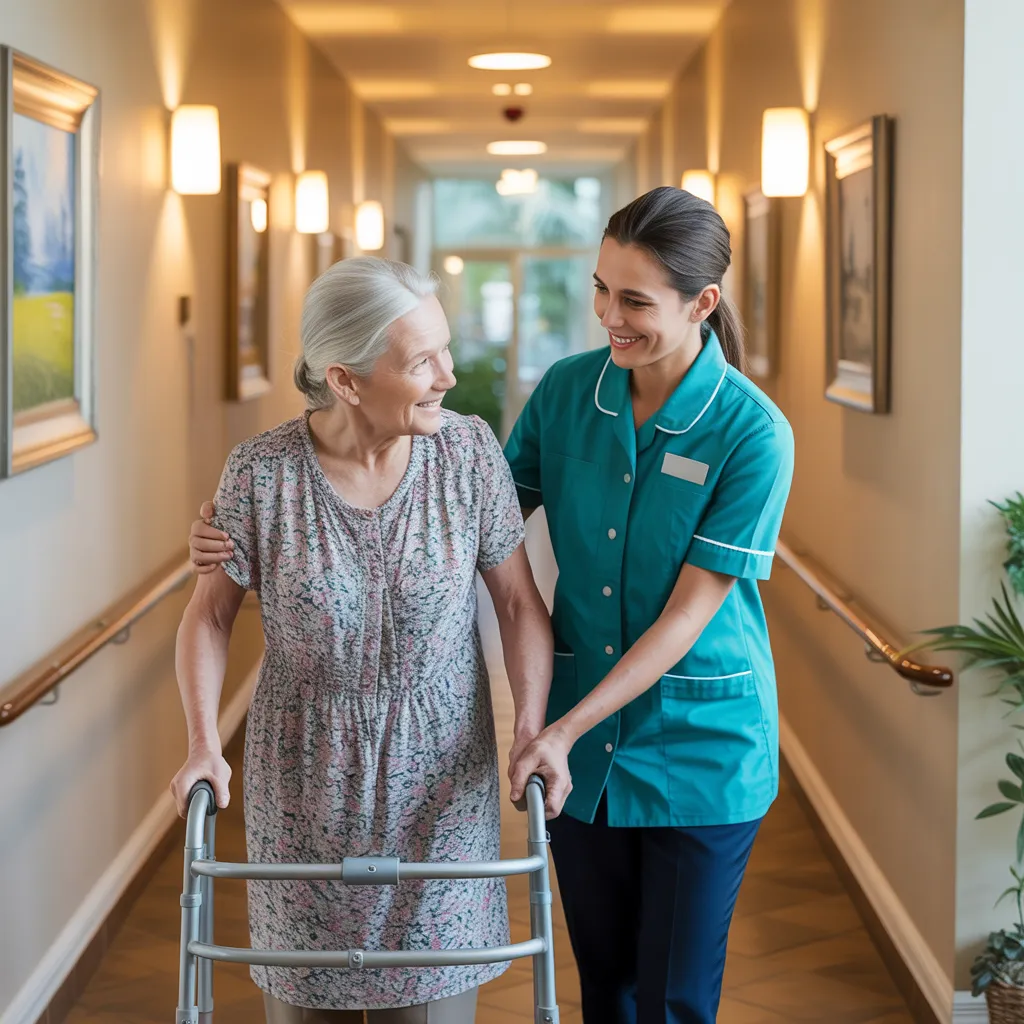
As people grow older, many families explore the variety of assisted living choices available in Charlotte to ensure their loved ones receive the proper care and support. Assisted living centers in the area deliver a mix of independence and assistance, meeting diverse needs. These communities deliver services such as help with daily activities, medication management, and social engagement possibilities. The environments are often structured to feel like home, cultivating a sense of belonging. Moreover, Charlotte's assisted living options include tailored care for conditions like dementia or Alzheimer's, guaranteeing tailored support. Families can locate a variety of amenities, from dining services to recreational activities, improving residents' quality of life while enabling them to maintain their dignity and autonomy.
Key Factors to Consider When Choosing a Facility
What important elements should families evaluate when picking an assisted living facility in Charlotte? Initially, the location matters greatly; nearness to loved ones can improve emotional well-being. Additionally, the facility's track record, including testimonials and ratings, can reveal the standard of care. Families ought to also consider staff qualifications and training, making sure they fulfill the needs of residents with various health circumstances. Safety and security provisions are critical, as they influence residents' complete well-being. Assisted Living Facilities Charlotte NC Moreover, the facility's capacity and resident-to-staff ratio can impact the amount of personalized service. Ultimately, comprehending the facility's guidelines on medical care, expenses, and payment choices will assist families in making educated decisions that match their loved ones' requirements and budget constraints.
Reviewing the Features and Services Offered
In what ways do the amenities and services offered by an assisted living facility impact the quality of life for residents? Evaluating these features is crucial in determining the overall satisfaction and well-being of individuals dwelling in such communities. Essential amenities may include fitness centers, recreational activities, and communal dining options, fostering social interaction and physical health. Furthermore, services like transportation, housekeeping, and personal care provide convenience and peace of mind for residents and their families. Access to wellness programs and social outings can further enhance engagement and reduce feelings of isolation. By thoroughly considering the range of amenities and services available, families can confirm their loved ones receive the support and enrichment they need to thrive in an assisted living environment.
The Significance of Location and Community
The geographical placement of an assisted living facility has a major influence on residents' overall quality of life. Being close to family members can strengthen emotional well-being, while access to local amenities guarantees convenience and engagement with the community. Picking the ideal environment can develop a sense of community and boost general wellness.
Closeness to Family
While numerous factors impact the decision of assisted living facilities, proximity to family emerges as a critical consideration for elderly individuals and their family members. Many families emphasize being nearby their elderly relatives to keep regular contact and provide emotional support. This proximity cultivates a sense of security and belonging for residents, significantly impacting their overall well-being. In addition, frequent visits from family members can help smooth the move into assisted living, making the environment feel more familiar and less isolating. The ability to engage in family gatherings or receive unexpected visits enhances the social experience of elderly individuals, enabling them to feel connected and valued. Consequently, opting for a facility near family can boost both the quality of life and emotional health for older adults.
Access to Local Amenities
Proximity to local amenities significantly impacts the overall experience of residents in assisted living facilities, as it greatly influences their quality of life. Proximity to grocery stores, parks, medical facilities, and recreational activities improves convenience and encourages independence. Residents enjoy easy access to essential services, which encourages a sense of community and belonging. In addition, social engagement opportunities, such as nearby cafes and cultural venues, promote mental well-being. In Charlotte, diverse amenities cater to multiple interests and needs, making it important for families to evaluate these factors when deciding on a facility. By ensuring that residents can enjoy a vibrant lifestyle, families can help their loved ones maintain a meaningful and enriched daily routine.
Assessing Care Levels and Expert Support
Evaluating care levels and specialized support is essential in selecting the right assisted living facility in Charlotte. Seniors may necessitate different types of assistance, including specialized memory care and mobility support, according to their individual needs. Understanding these requirements can confirm that residents receive the suitable level of care for their circumstances.
Comprehending Healthcare Necessities
In what ways can families secure appropriate care levels for their loved ones in assisted living facilities? Grasping care needs is fundamental for this task. Families must initiate the process by examining the individual's bodily and psychological health demands, taking into account elements like movement capabilities, prescription oversight, and everyday living tasks. Collaborating with medical professionals can deliver essential information about the specific care standards necessary. It is also important to evaluate the services and support offered by potential facilities, making certain they correspond with the requirements determined. Frequent correspondence with personnel can also aid families in keeping informed regarding their loved one's care. Finally, a complete comprehension of care necessities allows families to make educated decisions, guaranteeing their family members obtain individualized and quality assistance.
Professional Dementia Care
What aspects should families examine when searching for specialized memory care for their relatives? To start, it is essential to analyze the specific cognitive needs and challenges faced by the individual, as specialized memory care facilities often adjust their services to accommodate different stages of memory loss. Families should also assess the staff-to-resident ratio, ensuring that trained professionals are available to provide personalized attention. Safety measures within the facility, including secured environments and monitoring systems, are crucial for residents with dementia or Alzheimer's disease. In addition, families should inquire about therapeutic activities and social engagement opportunities that support cognitive stimulation and emotional well-being. In conclusion, understanding the facility's approach to family involvement can improve support and communication throughout the caregiving process.
Mobility Assistance and Physical Support
Mobility and physical support are critical components of care in assisted living environments, particularly for residents with multiple levels of mobility limitations. Analyzing the specific needs of individuals is essential to deliver appropriate support and secure safety. Centers should include components such as wheelchair accessibility, handrails, and non-slip flooring to support independence while reducing fall risks. Furthermore, specialized staff trained in physical therapy can assist residents in regaining strength and mobility. It is vital for families to evaluate the availability of personalized care plans that accommodate each resident's unique conditions. By understanding the mobility and physical support options available, families can make well-informed decisions that elevate their loved ones' quality of life in assisted living communities.
Touring Facilities: What to Consider
When evaluating assisted living facilities in Charlotte, future residents and their families may question which features genuinely reflect a quality environment. Cleanliness and safety are vital; well-maintained facilities should have safe entry points and clear emergency procedures. Staff interactions are just as crucial; attentive, compassionate caregivers who communicate with residents create a inviting atmosphere. Reviewing the social activities provided can also deliver insight into the community's energy and inclusivity. In addition, the layout should support mobility and accessibility, making sure that residents can navigate easily. Dining options should accommodate various dietary needs, showing a commitment to nutrition and wellness. In the end, a visit should leave families feeling confident about the quality of care and overall environment for their loved ones.
Money Matters and Resources for Families
Understanding the economic impact of assisted living in Charlotte can be complex for families, particularly as they explore the different costs and funding options available. Monthly fees for assisted living generally encompass accommodation, meals, and care services, which can fluctuate substantially based on the facility and level of care necessary. Families should also account for additional expenses such as personal items and medical costs.
Available financial resources encompass long-term care insurance, Medicaid, and veterans' benefits, which may help offset costs. It is advisable for families to consult financial professionals or eldercare experts to explore all available options. A comprehensive assessment of personal finances can enable informed decisions and ensure that loved ones receive the care they need within budgetary constraints.
Frequently Asked Questions
What Is the Common Age of People in Assisted Living Facilities?
Residents in assisted living facilities generally range in age from 75 to 85 years old. These individuals usually include seniors who need varying levels of assistance with healthcare needs and daily activities.
Do They Allow Pets in Assisted Living Residences?
A lot of assisted living communities welcome pets, acknowledging their beneficial effect on residents' emotional wellness. Nevertheless, policies change by facility, and requirements may apply pertaining to pet size, breed, and the number of animals permitted.
How Regularly Can Family Members Visit Residents?
Family members can typically visit residents whenever they desire, with most communities encouraging regular visits. Nonetheless, specific visitation policies may differ, so it's recommended to inquire with the individual community for rules.
What Activities Are Typically Offered to Residents?
Generally, individuals participate in numerous activities, including arts and crafts, fitness classes, social outings, games, and educational programs. These activities foster social interaction, mental engagement, and physical health, elevating overall resident quality of life.
How Do These Facilities Manage Medical Emergencies?
Healthcare facilities manage medical emergencies by having trained staff who examine scenarios, administer first aid, and reach out to emergency services when necessary. Regular drills provide preparedness, while protocols are in place to assist residents during urgent events.